


Step 2 in our staircase configurator – Information about staircase shapes
Interior staircases are available in a variety of shapes, each with its own advantages and structural considerations. We offer an overview and guide to help you choose the right option.
Step 2 allows you to determine the shape of your staircase. Straight staircases with landings are known for being comfortable and safe to use. However, keep in mind that they require more floor space. For smaller rooms, curved staircases may be a better choice. The key rule is: never compromise on safety. Curved staircases provide a comfortable ascent while combining aesthetics with functionality.
Here are the main features and advantages of different staircase shapes:
Advantages:
Structural considerations:
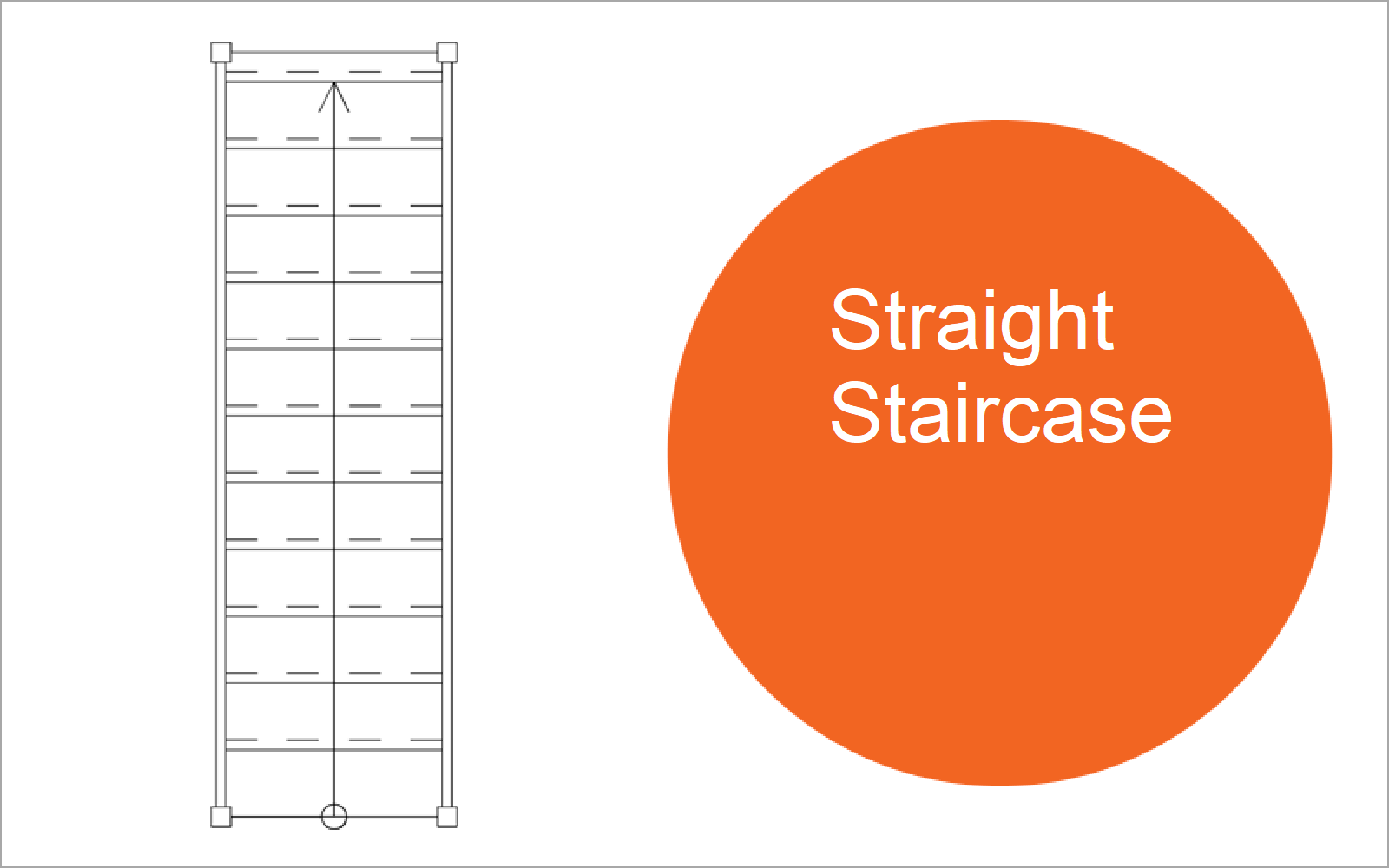
Advantages:
Structural considerations:
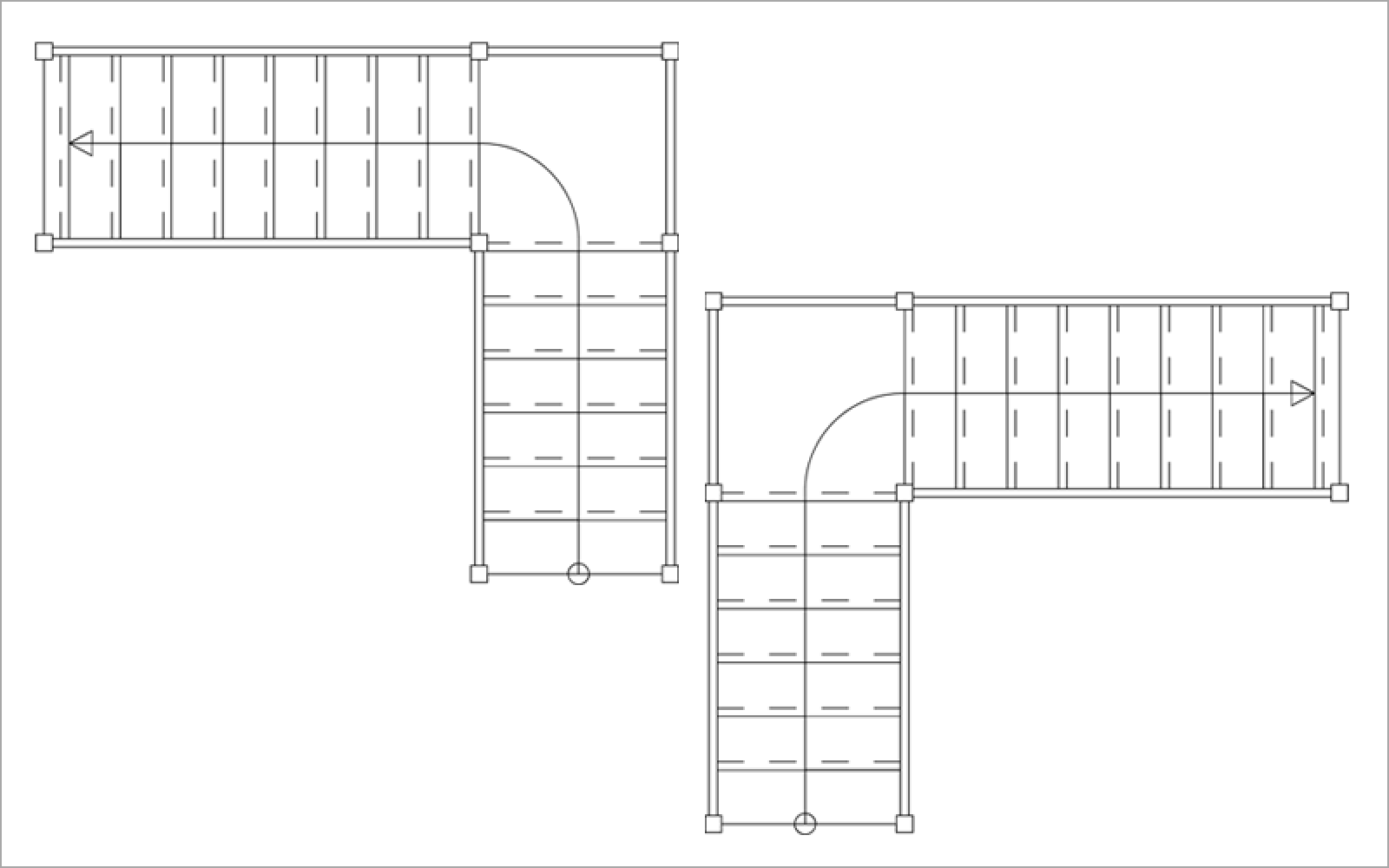
Advantages:
Structural considerations:
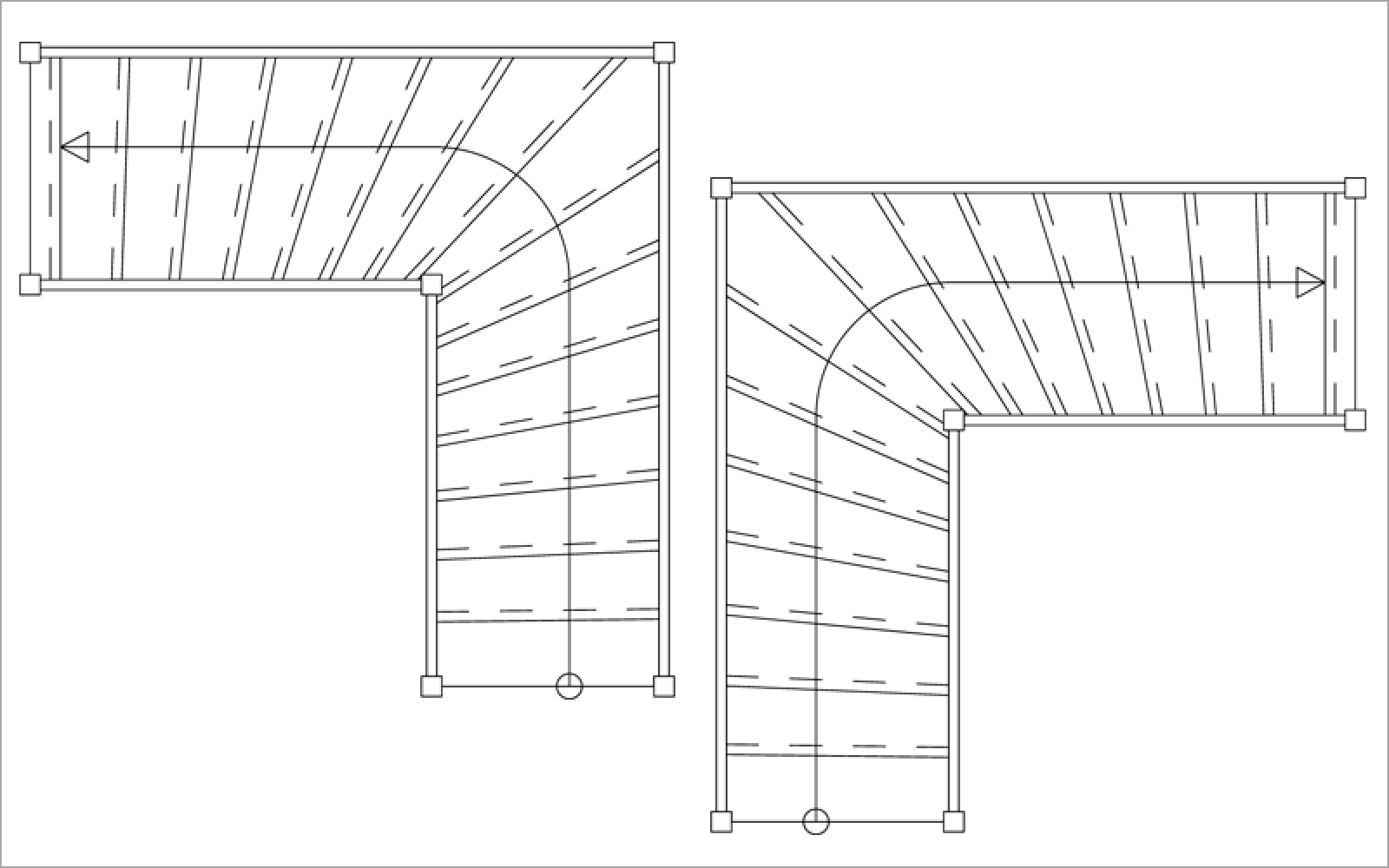
Advantages:
Structural considerations:
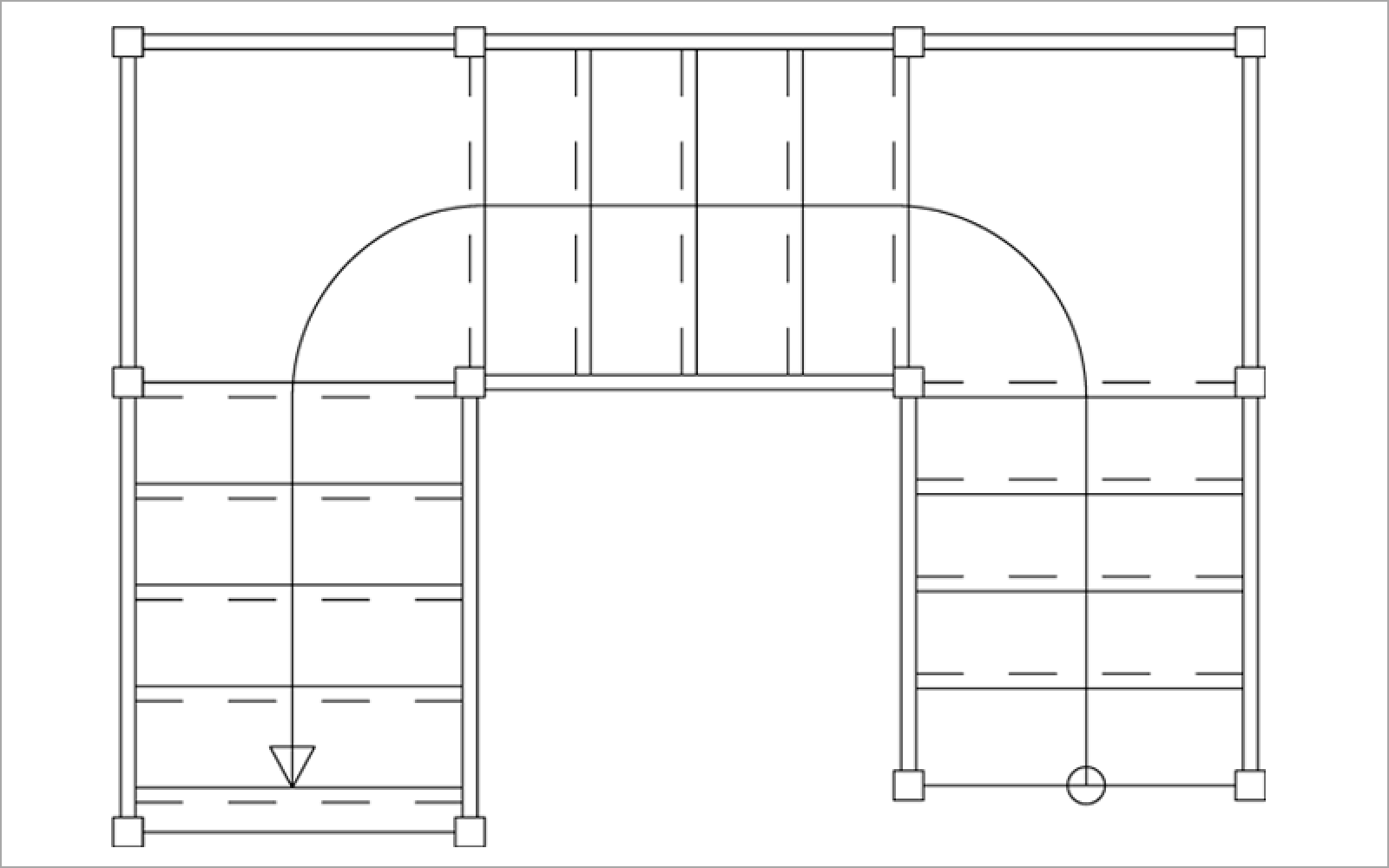
Advantages:
Structural considerations:
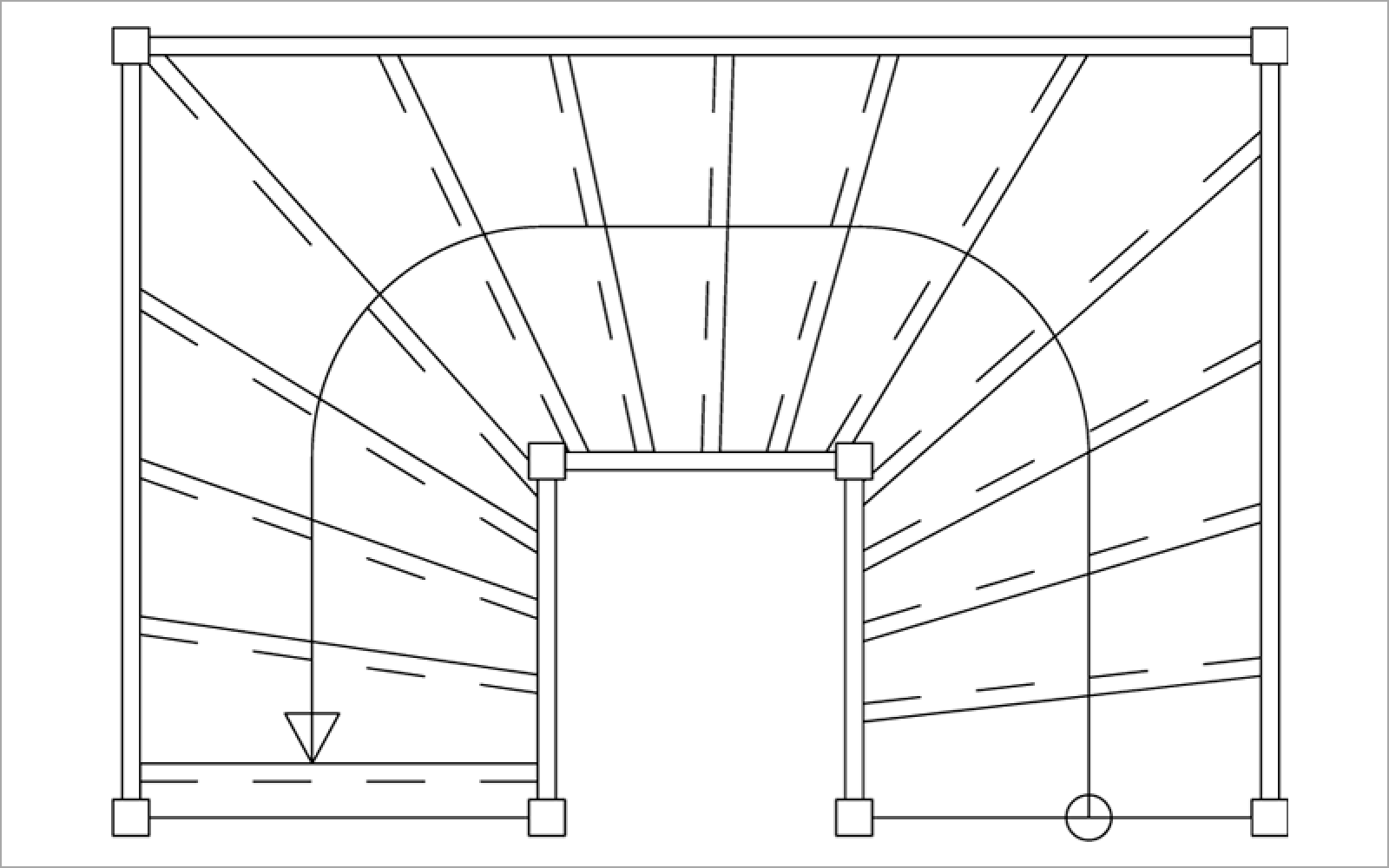
When choosing the shape of your staircase, it is important to consider your aesthetic preferences, the available space and practical requirements. Structural aspects such as tread dimensions, riser height and railing design play an important role in ensuring a safe and comfortable staircase. As experienced staircase builders, we are happy to help you find the optimal staircase shape for your specific needs.
For rooms with limited space, a straight staircase or a 90° winder staircase without a landing is usually the best choice.
A straight staircase is structurally simple and works well in narrow hallways.
A winder staircase makes efficient use of the corner of a room and saves floor space that would otherwise be occupied by a landing.
In our configurator, you can easily compare the different options and choose the solution that best suits your floor plan.
The main difference lies in the space requirements and the level of comfort.
With a landing:
The landing creates a flat intermediate area, increases safety and makes walking more comfortable. However, it requires more space. It is particularly suitable for households with children or elderly people.
Without a landing (winder staircase):
At the turn, the steps gradually widen or narrow, allowing the staircase to change direction without an intermediate landing. This solution has an elegant appearance and saves space, but it requires precise calculation of the step dimensions to maintain a smooth and natural walking rhythm.
The shape of the staircase affects not only the appearance of the interior, but also the structural design and walking comfort. In the second step of the configurator, you determine whether the staircase should:
The right choice has a significant impact on the final dimensions and structural design.
A staircase with two 90° turns is very comfortable and has an impressive appearance, but it also requires more careful planning.
Space:
Due to the two turns, it requires more floor space than simpler staircase designs.
Design accuracy:
To ensure comfortable movement, the riser height and tread depth must be calculated precisely and properly coordinated.
Stability:
This design offers high rigidity and can become a distinctive architectural feature of the interior.