


Temporary Staircases – Temporary Infrastructure
Temporary staircases are an essential part of the construction process, providing safe and convenient access between the different levels of a building during the construction phase.
Serving as temporary infrastructure, Temporary Staircases provide a short-term access solution until the final staircase is installed or the building is completed. The use of Temporary Staircases offers numerous advantages that help ensure a smooth and efficient construction process.
- A Temporary Staircase is a provisional staircase used during the construction phase
- A Temporary Staircase is not permanently connected to the building structure
- Wall-free installation provides sufficient space for plastering and painting works
- Quick and easy installation and removal of the Temporary Staircase
- Can withstand heavy use until the final staircase is installed or upgraded
Advantages of Temporary Staircases
- Time and Cost Savings
Temporary Staircases help optimize workflow on the construction site by providing workers and contractors with safe and quick access between different floors. The time required for moving between levels is significantly reduced, resulting in increased productivity and a more efficient construction process. In addition, the use of Temporary Staircases reduces the need for costly temporary lifts or alternative access solutions.
- Worker Safety
Safety is a top priority on every construction site. Temporary Staircases provide secure access and can be equipped with handrails and guardrails, offering workers additional protection when moving between floors. Properly positioned barriers help prevent falling objects and reduce the risk of accidents.
- Flexibility and Adaptability
Temporary Staircases can be easily adapted to the specific requirements and conditions of a construction site. They can be manufactured in various shapes, sizes, and inclinations to meet the individual needs of each construction project.
- Temporary Solution Without Structural Modifications
Temporary Staircases are temporary structures that do not require permanent modifications to the building. Once the construction phase is complete, they can be easily removed without leaving any damage or unwanted alterations behind.
- Accessibility
When designing Temporary Staircases, accessibility features can also be considered to provide safe access for people with limited mobility.
- Improved Workflow
Using Temporary Staircases allows materials and tools to be transported efficiently between different levels of the building. This results in smoother workflows and helps accelerate the overall construction process.
-
Flexible Placement Options
Temporary Staircases can be positioned at various locations within the building to provide convenient access to different construction areas. This enables efficient distribution of workers and materials throughout the project.
Temporary Staircase – Planning and Installation
- The planning and installation of Temporary Staircases require careful consideration and professional expertise to ensure safety and functionality throughout the construction phase. The load-bearing capacity and stability of the staircase must be calculated according to the loads that may occur during construction. The staircase must be properly anchored and secured to prevent movement or deformation.
- In addition, the dimensions and inclinations of Temporary Staircases should comply with local building regulations and safety standards. The staircases should feature slip-resistant steps and clearly visible handrails and guardrails to minimize the risk of trips and falls. Below you will find assistance with determining the correct dimensions for your Temporary Staircase.
- Regular inspections and maintenance are also essential to ensure the safety of Temporary Staircases throughout the entire construction period. Any damage or defects must be repaired immediately to prevent accidents.
Plan your Temporary Staircase with our staircase configurator.
Applications of Wooden Temporary Staircases
Wooden Temporary Staircases are used in a wide range of construction projects. They are commonly used in:
- Residential buildings
- Commercial properties
- Industrial facilities
Renovation projects also benefit from the use of these staircases, ensuring safe access between floors during remodeling and reconstruction work. Their flexibility and ease of handling make them an ideal solution for various construction environments.
Temporary Staircases – Various Designs
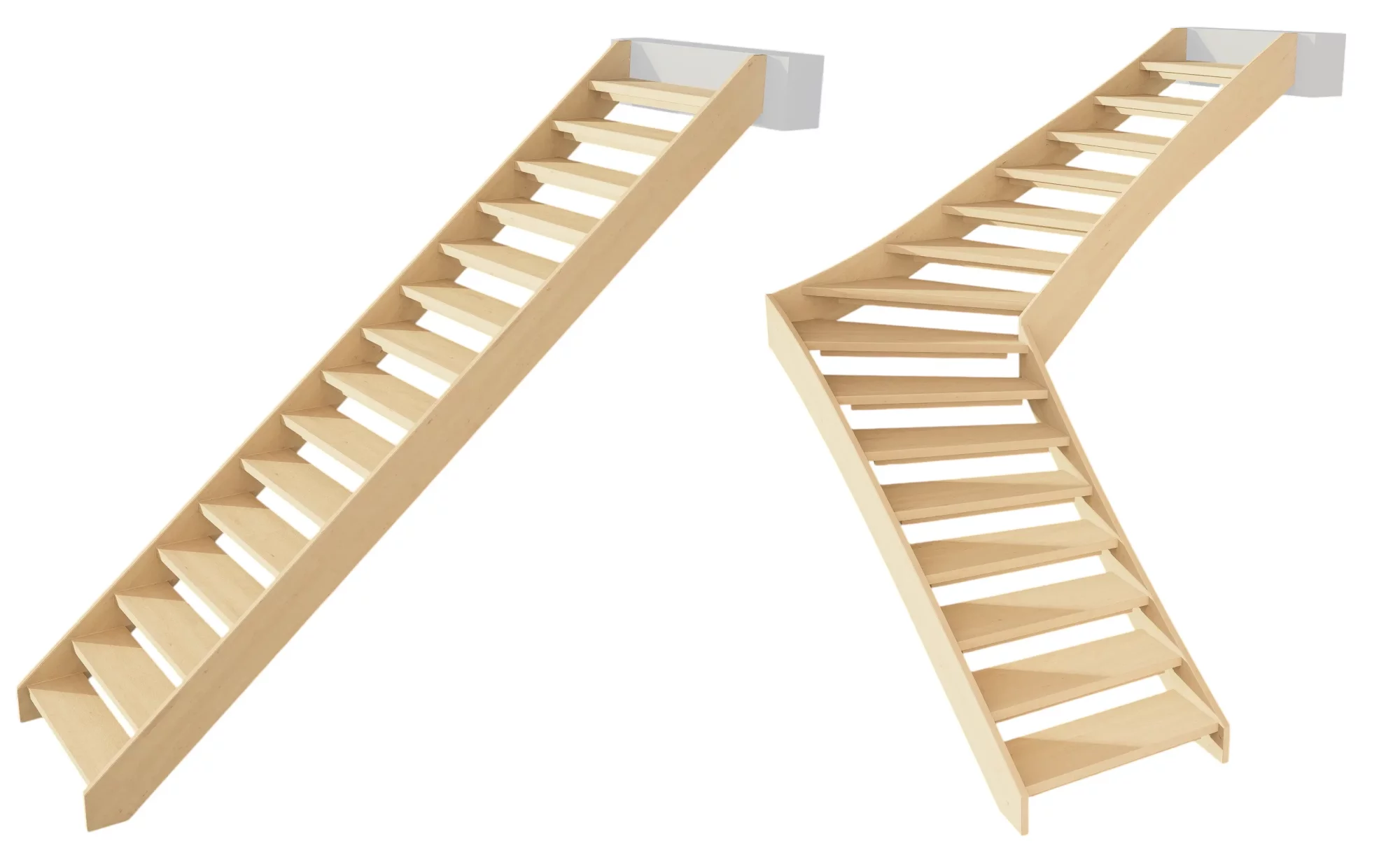
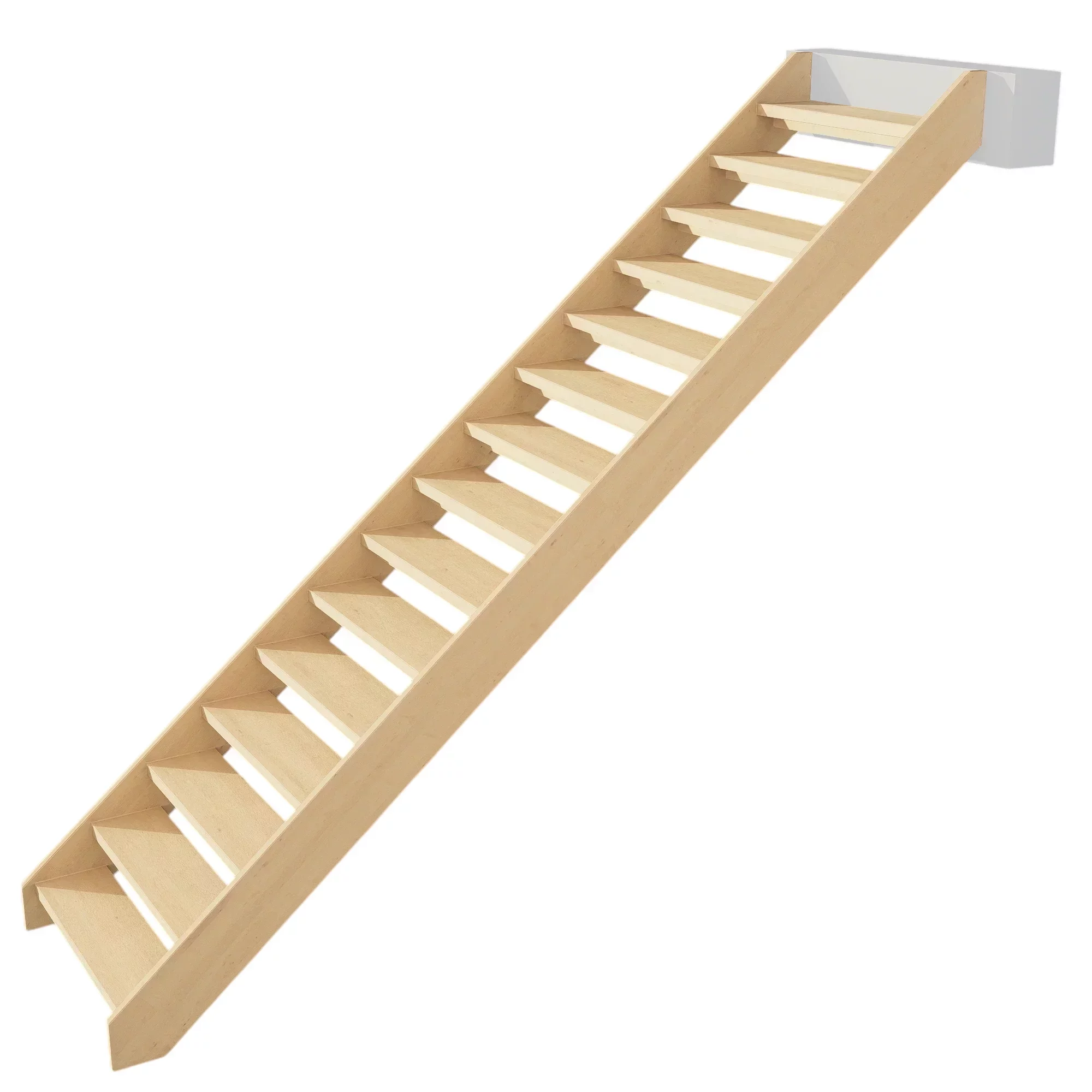
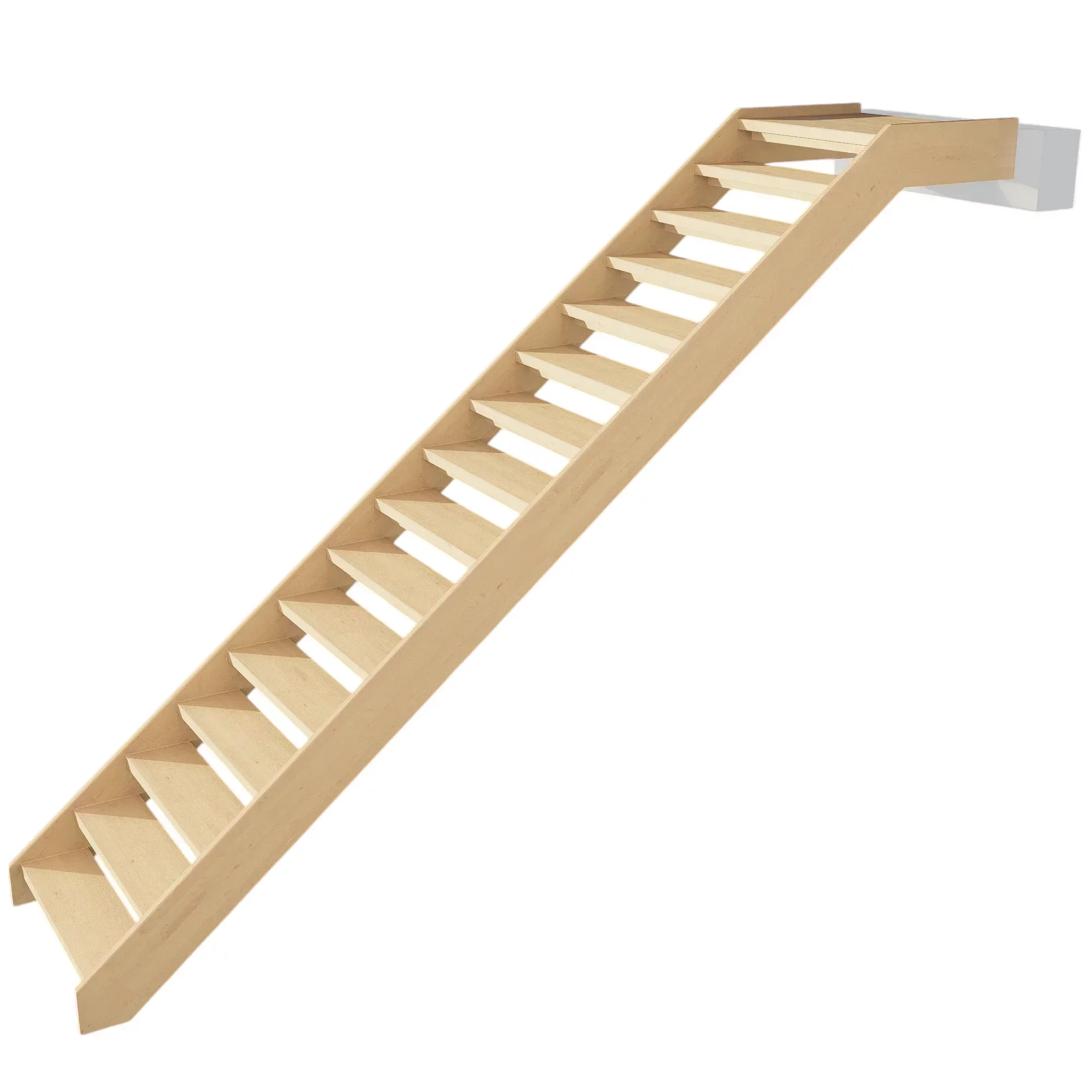
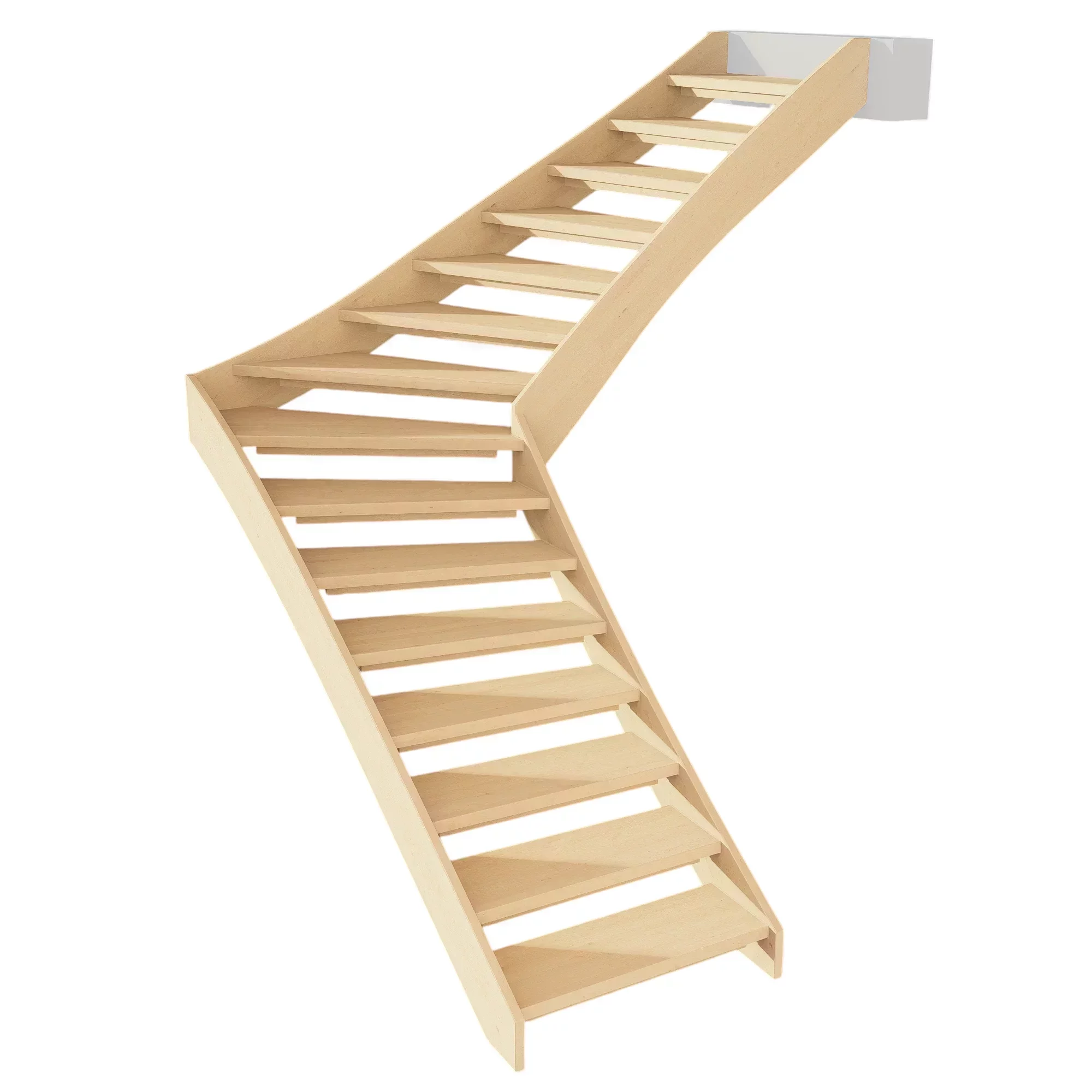
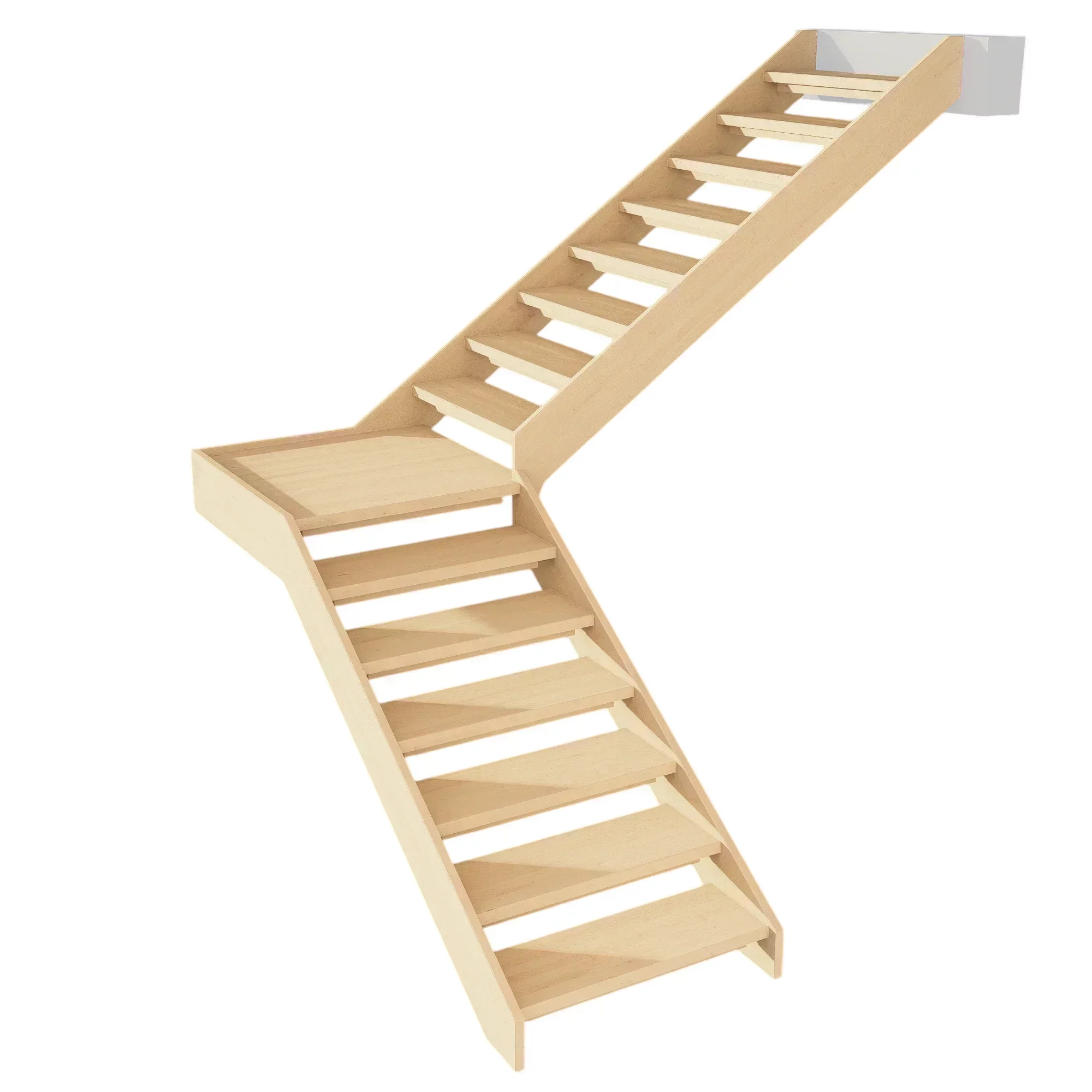
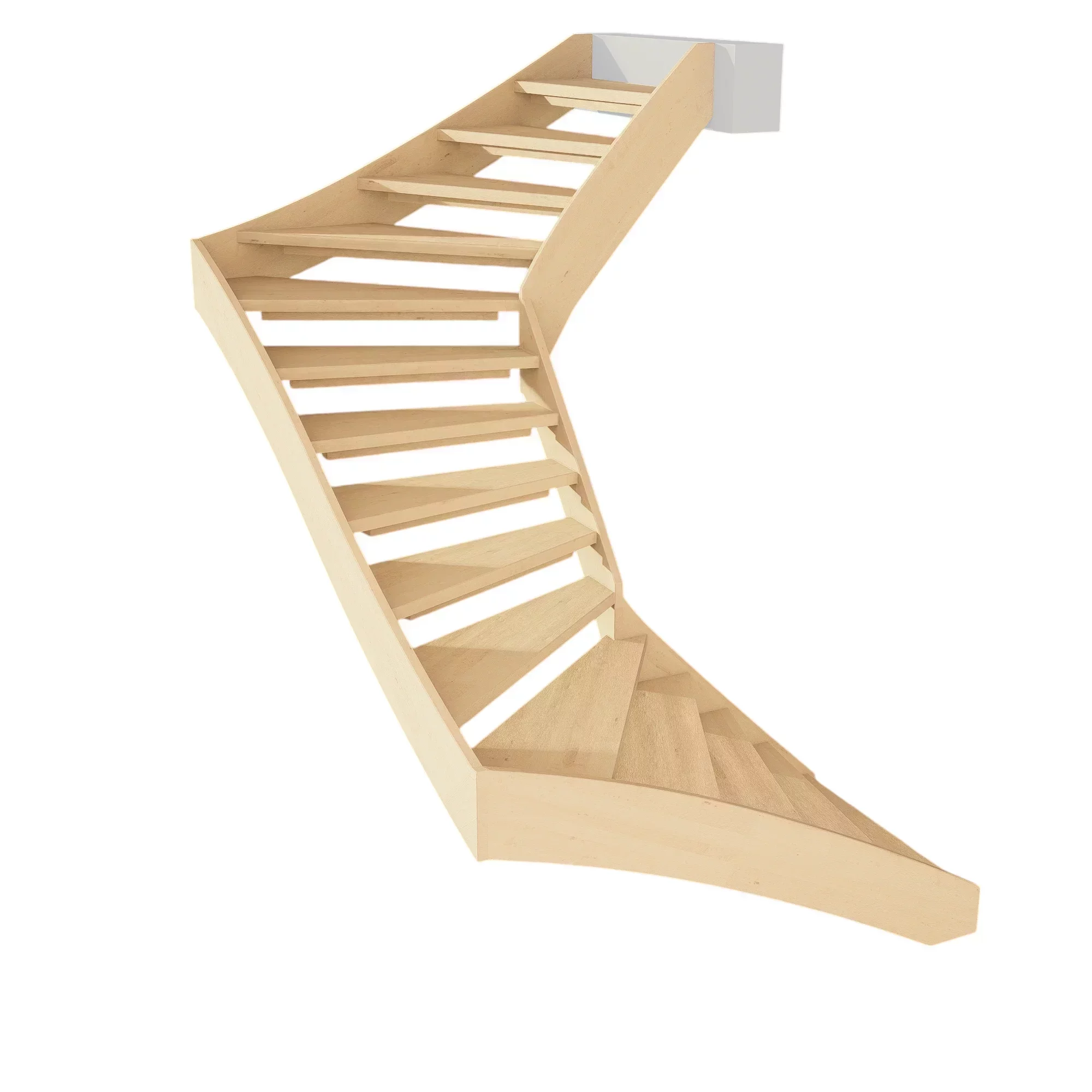
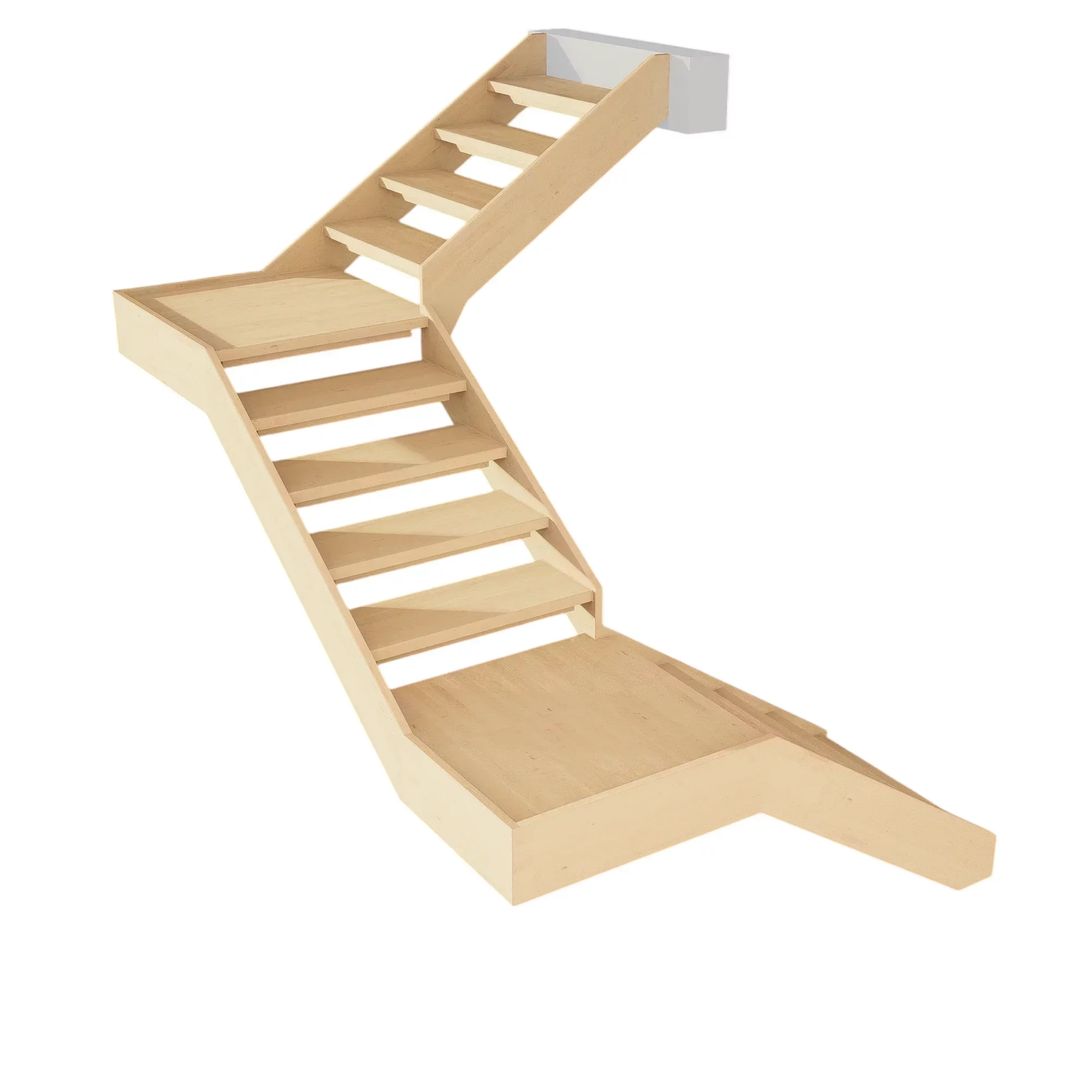
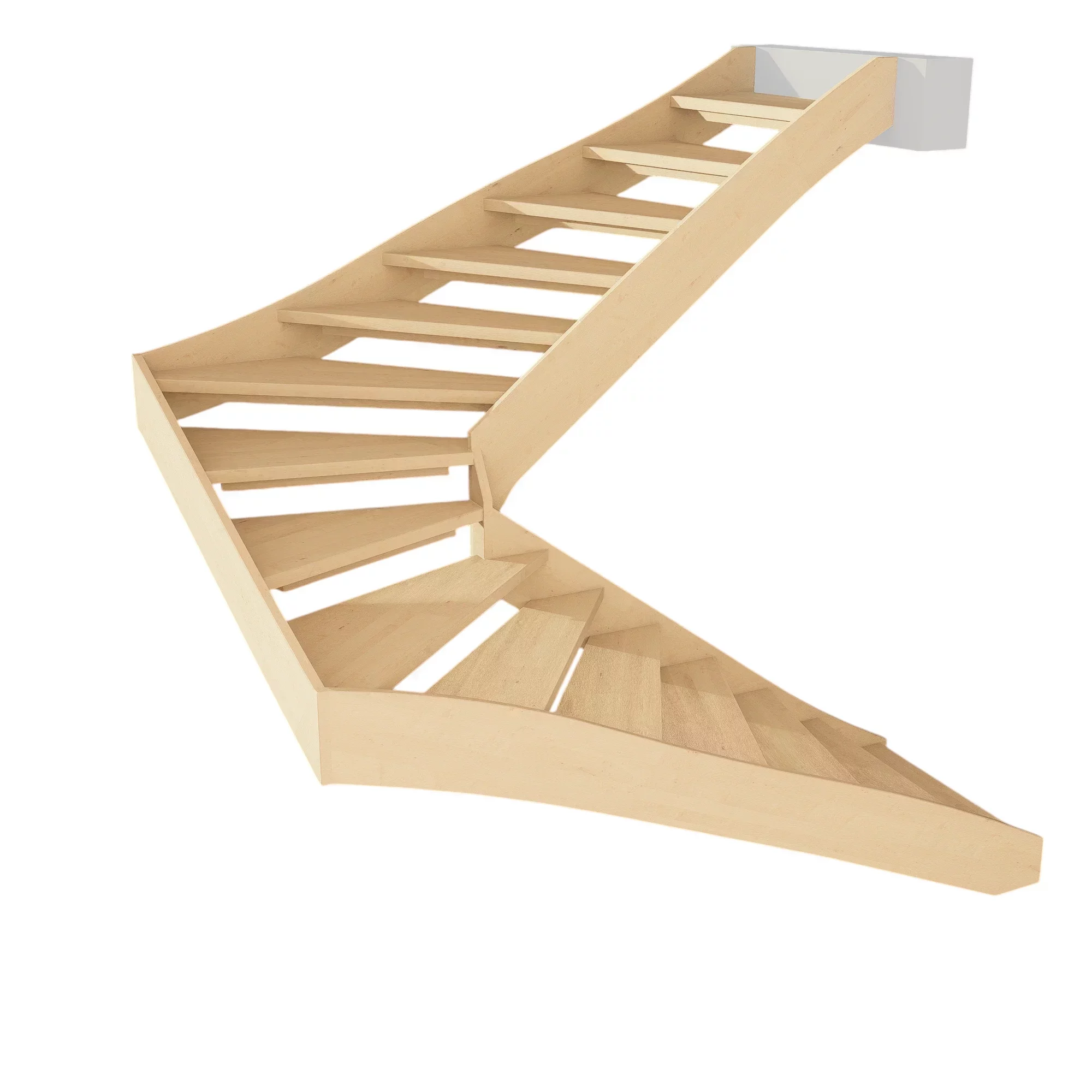
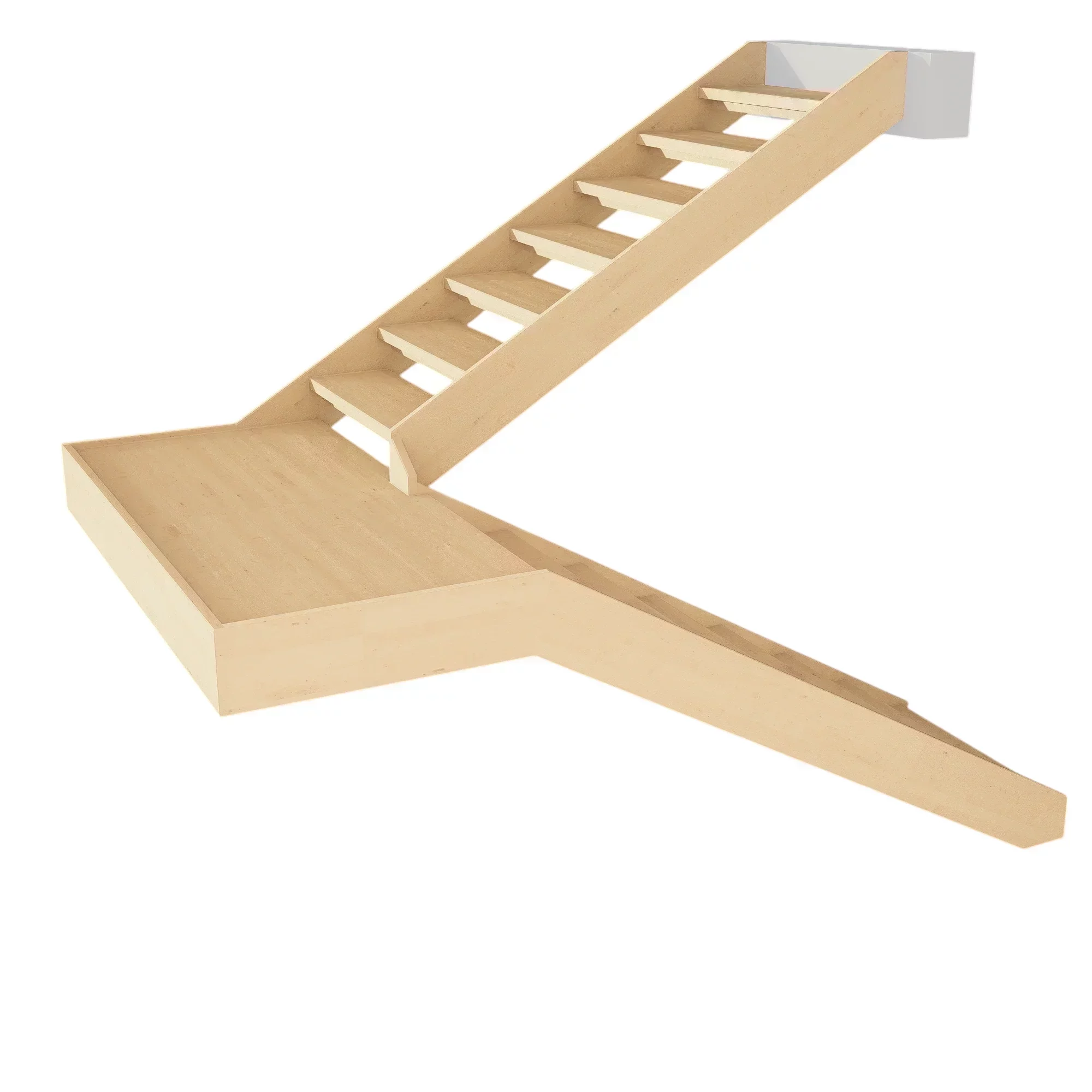
Configuring your Temporary Staircase is quick and easy. In Step 2 of our Temporary Staircase configurator, simply select your preferred staircase design. You can choose from straight, quarter-turn, or half-turn Temporary Staircases, with or without a landing.
Below, you can explore a selection of Temporary Staircase renderings.
Conclusion
Temporary Staircases are an essential temporary solution that ensures safe and efficient access throughout the construction phase. Their many advantages—including time and cost savings, improved worker safety, and exceptional flexibility—make them an ideal choice for a wide range of construction projects. Careful planning, professional installation, and regular maintenance are essential to ensure the safety, reliability, and long-term performance of Temporary Staircases during construction.
Choose the Right Temporary Staircase for Your Construction Project
Fragen und Antworten zu unserern Bautreppen
Was ist eine Bautreppe und wofür wird sie verwendet?
Eine Bautreppe ist eine temporäre Treppe, die während der Bauphase als sicherer Zugang zwischen den Etagen dient. Sie wird eingesetzt, bevor die endgültige Treppe montiert wird, und ermöglicht Handwerkern einen stabilen und rutschfesten Aufstieg. Bautreppen sind nicht fest mit dem Gebäude verbunden und können nach Abschluss der Arbeiten leicht entfernt werden – ohne Rückstände oder Beschädigungen.
Welche Vorteile bietet eine Bautreppe während der Bauphase?
Bautreppen bieten zahlreiche Vorteile:
Sie beschleunigen Arbeitsabläufe, indem sie den Zugang zu verschiedenen Ebenen erleichtern, sorgen für Sicherheit auf der Baustelle durch stabile Konstruktionen und Handläufe, und sind flexibel anpassbar an die jeweilige Gebäudesituation. Zudem sparen sie Zeit und Kosten, da sie keine baulichen Veränderungen erfordern und mehrfach verwendbar sind.
Kann ich meine Bautreppe individuell planen oder konfigurieren?
Ja – mit dem Treppenkonfigurator können Sie Ihre Bautreppe einfach online gestalten. Wählen Sie Form, Steigung, Breite und Podestoptionen nach Ihren Bedürfnissen. Ob gerade, einfach oder zweifach gewendelt – der Konfigurator berücksichtigt Ihre Baustellensituation und zeigt Ihnen eine passende Lösung mit klarer Visualisierung und Planungssicherheit.
Was kostet eine Bautreppe?
Die Kosten für eine Bautreppe beginnen bei rund € 940 inkl. MwSt. (bzw. € 785,93 ohne MwSt.) und variieren je nach Größe, Form und Ausführung. Im Treppenkonfigurator können Sie Ihre Bautreppe individuell gestalten und erhalten dabei eine transparente Preisübersicht in Echtzeit. Faktoren wie Podest, Steigung oder Wendelung beeinflussen den Endpreis – so behalten Sie von Anfang an den Überblick über die Gesamtkosten Ihres Provisoriums.